
Fashion
Halloween Costume Sizing Guide 2026: How to Get the Right Fit for This Year's Top Costumes
Costume sizes rarely match your everyday size. Here's how to measure, read a costume size chart and pick the right fit for 2026's most popular Halloween looks.
Published October 11, 2026
Halloween falls on a Saturday this year, which means more parties, more photos and more hours spent in whatever you're wearing. A costume that pinches at the shoulders or drags on the ground is fun for about twenty minutes. The good news is that most fit problems are avoidable if you size your costume the way you would a jacket or a pair of jeans, with a tape measure and a size chart instead of a guess.
The costumes everyone is searching for in 2026
Spirit Halloween's 2026 predictions, published on October 7, put varsity jackets and jerseys, Toy Story characters, K-pop demon hunters, superhero suits, early-2000s "It girl" looks, mythology and fantasy armour, horror characters, video game heroes and giant inflatables on its list of the season's big themes. A separate ranking published by Mental Floss on October 8, built from Google search interest, Pinterest activity and average prices, placed K-Pop Demon Hunters first, with Pennywise, Dolly Parton, Wednesday Addams and Mario also in its top ten.
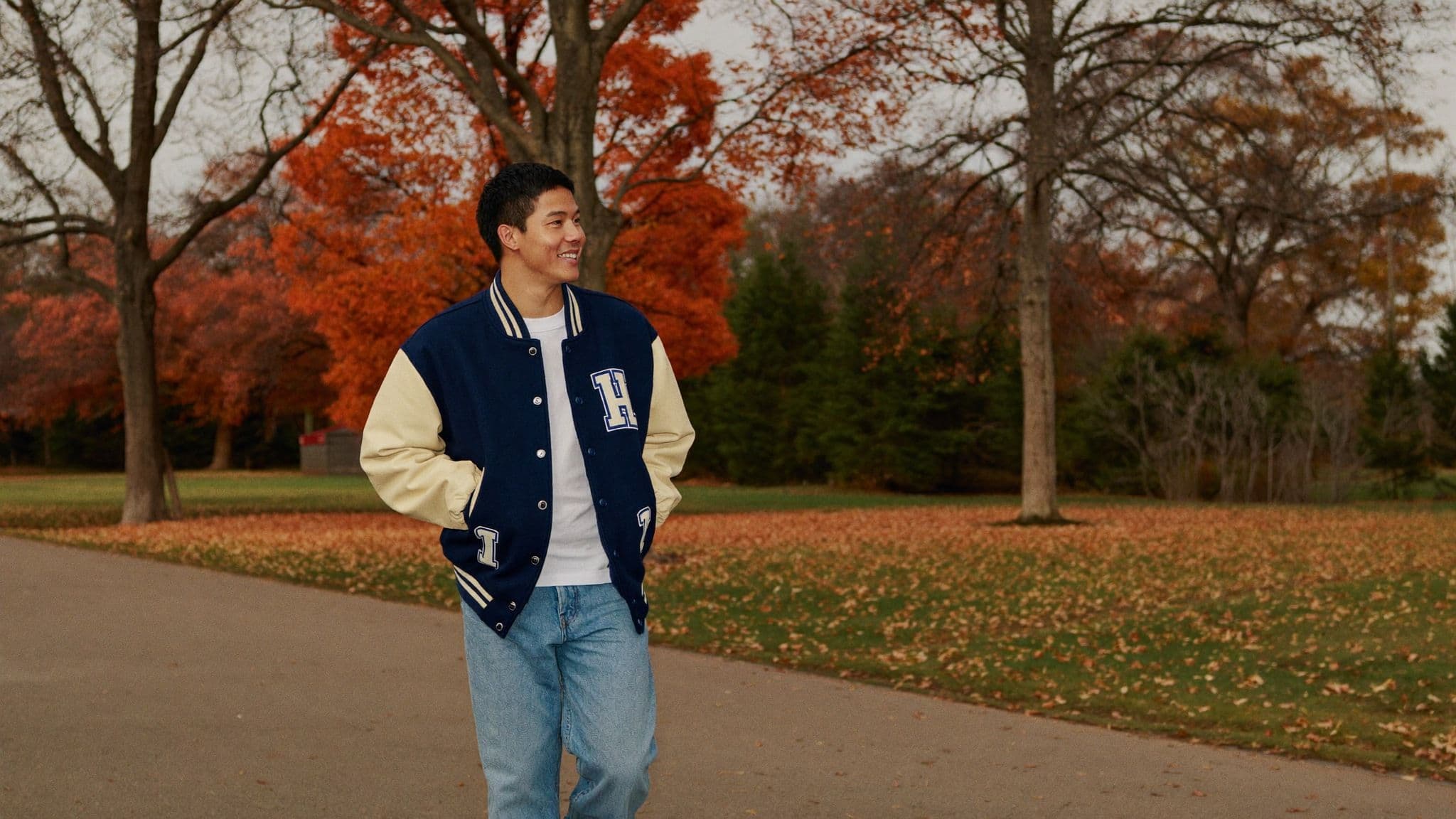
Those themes fall into a few fit families. There are everyday clothes styled as a character (varsity, Y2K, Dolly Parton denim), stretchy one-piece suits (superheroes), loose draped pieces (cloaks, togas, armour sets) and novelty shapes (inflatables). Each one sizes differently, so it helps to know which family you're shopping in before you click "add to cart".
Why costume sizes don't match your everyday size
Costume brands often cut their own size runs, and a medium from one costume label can sit closer to a large from another. Many adult costumes come in a short run like S to XL, or as "one size", which really means one pattern stretched across a wide range of bodies. Kids' costumes are frequently sized by height or age band rather than by chest or waist.
That's why your usual letter size is only a starting point. The size chart on the product page is the real reference, and it's worth checking whether its numbers describe your body or the garment itself. Body measurements tell you which size to pick; garment measurements tell you how much room you'll actually have.
The five measurements to take before you order
Grab a soft tape measure and a friend if you can. Measure over light clothing, keep the tape snug but not tight, and write the numbers down so you can reuse them for every costume you compare.
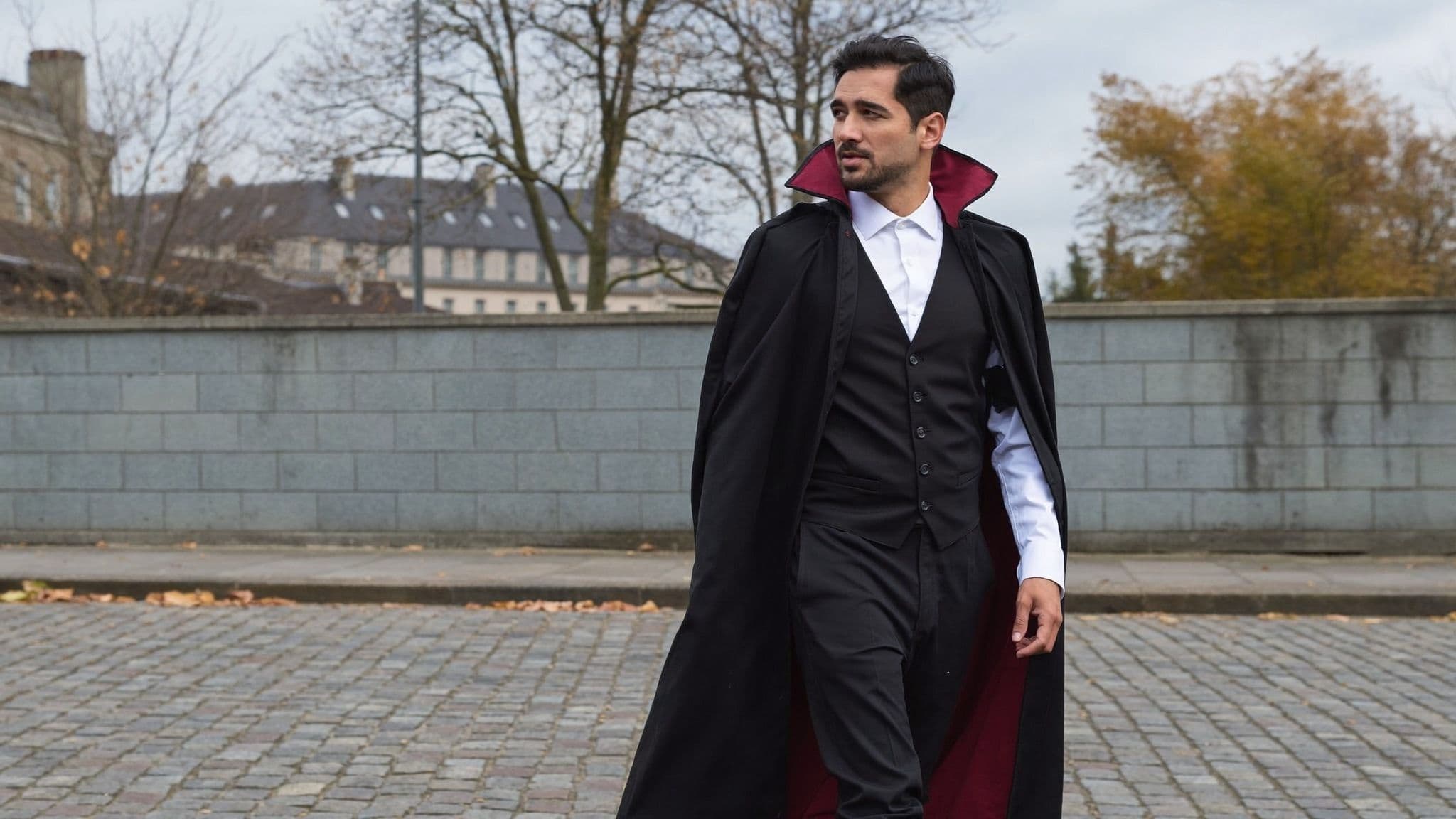
Height matters most for one-piece suits, robes and anything floor-length. Chest or bust is measured around the fullest part, under the arms. Waist is measured at your natural waist, usually just above the belly button. Hips are measured around the fullest part of your seat. Inseam runs from the crotch to the ankle and decides whether trousers bunch or float. For a jumpsuit or bodysuit, check the torso measurement too if the chart lists one, since a suit that's too short in the torso will pull no matter how well it fits elsewhere.
If you fall between two sizes, pick based on the measurement that matters most for the style. For a superhero suit that's usually height and torso. For a cloak it's height. For a fitted dress it's whichever of bust, waist or hip is largest on the chart.
How to size this year's biggest costume styles
Varsity and Y2K looks are mostly real clothes, so size them like real clothes. A varsity jacket should close comfortably over a hoodie or tee with room to raise your arms. Velour tracksuits and low-rise pieces are cut close to the body, so check the hip and rise measurements rather than trusting the letter size.
Superhero suits and other stretch one-pieces depend on height and torso length. Look for a chart that lists both, and if you're tall for your size, size up rather than spend the night tugging at the shoulders. Masks and hoods are often one size, so check head circumference if it's listed.
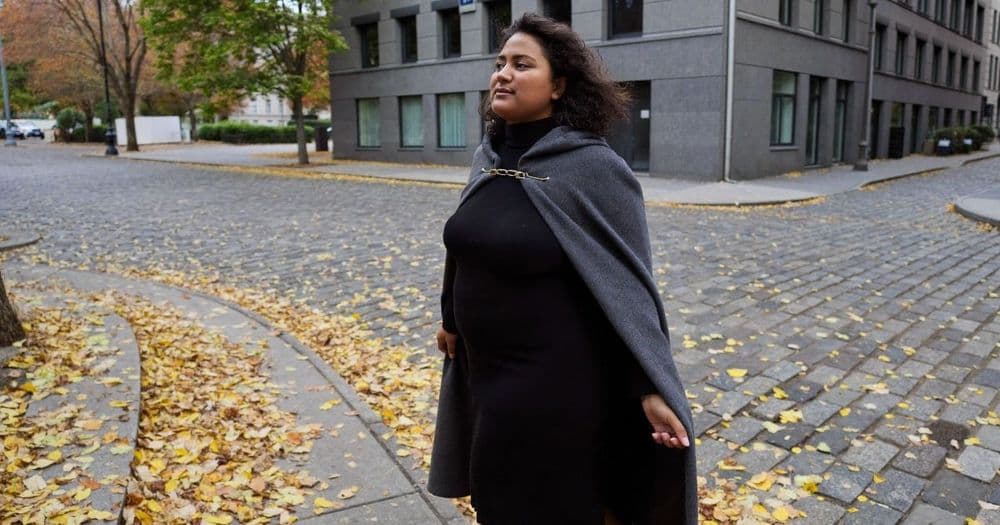
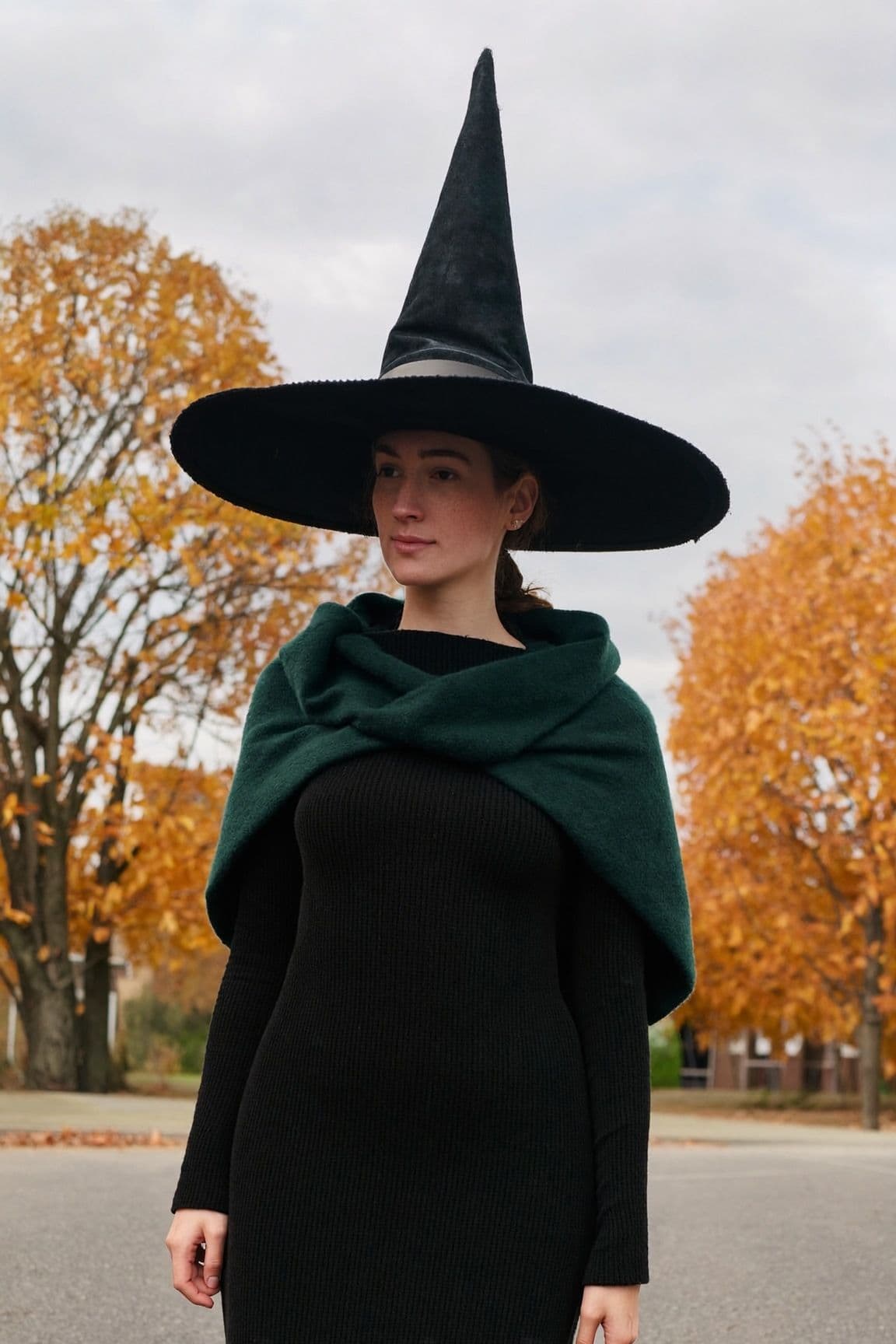
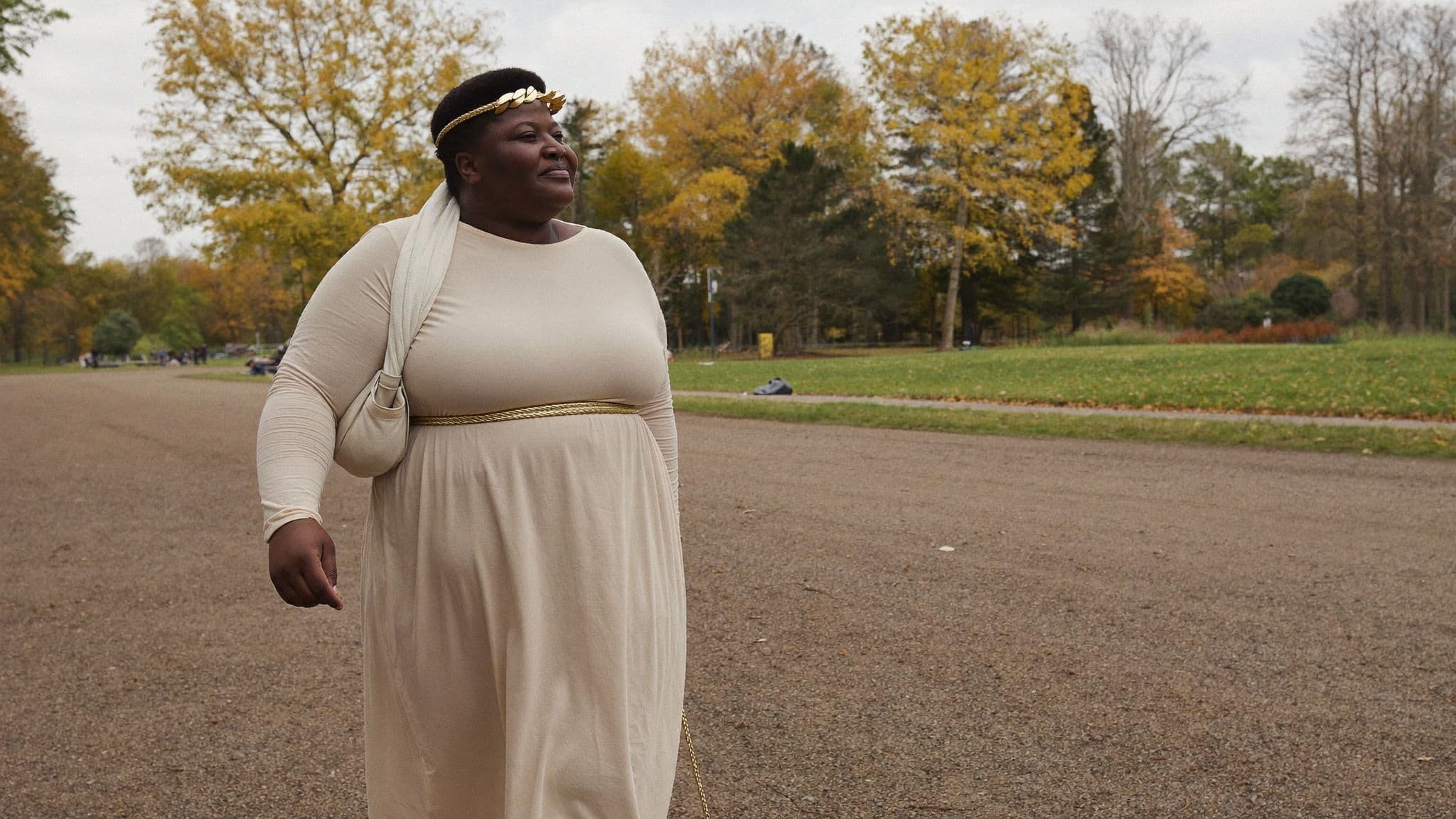
Cloaks, togas and fantasy armour sets are more forgiving around the body, but length still matters. A cloak that hits mid-calf reads as dramatic; one that drags is a trip hazard on stairs. Armour pieces usually adjust with straps, so check the chest range listed for the breastplate. Inflatables are generally one size and sized by height, so check the stated height range and make sure the arm and leg openings work for you.
Buying for kids: size for Halloween night, not today
Children can grow noticeably in a few weeks, and costumes ordered in early October still need to fit on the 31st. Measure height on the day you order, compare it with the costume's height range, and if your child is near the top of a range, go up a size. A slightly roomy costume can be belted or hemmed with safety pins; one that's too short in the body can't be fixed. Leave room for a warm layer underneath too.
Leave room for October weather
In much of Canada, Halloween night is cold, and trick-or-treating or walking between parties often means a long-sleeve layer, leggings or a thin fleece under the costume. Try the costume on over whatever you plan to wear beneath it as soon as it arrives. If it's snug with layers, exchange it early while sizes are still in stock. Comfortable shoes you can walk in matter just as much as the costume itself.

A costume that fits well lets you forget about it and enjoy the night. Shaku measures you from two phone photos and matches your measurements against a brand's own size chart, so you can see your best size match before you order, for costumes and for everything else in your closet.
Frequently asked questions
Should I size up or down for a Halloween costume?
Start from the costume's own size chart, not your usual size. If you're between sizes, size up for stretch one-piece suits and anything you'll layer over, since extra room can be pinned or belted but a costume that's too small can't be let out.
What measurements do I need for a costume size chart?
Most charts use height, chest or bust, waist and hips, and some add inseam, torso length or head circumference. Measure over light clothing with a soft tape, and check whether the chart lists body measurements or garment measurements.