

Fashion
How to Nail the Layering Trend Everyone's Wearing This Fall
Strategic layering is one of the biggest trends on fall 2026 runways. Here's what it actually looks like, why designers are obsessed with it, and how to layer with confidence.
Published October 11, 2026
Why Layering Is the Trend Everyone's Talking About This Fall
If you've scrolled past a fashion recap in the last few weeks, you've probably seen the word "layering" more than usual. It's not just a practical way to dress for shifting temperatures this season — it's showing up as an intentional design choice on runways, where pieces are being built specifically to be worn together, then peeled apart throughout the day.
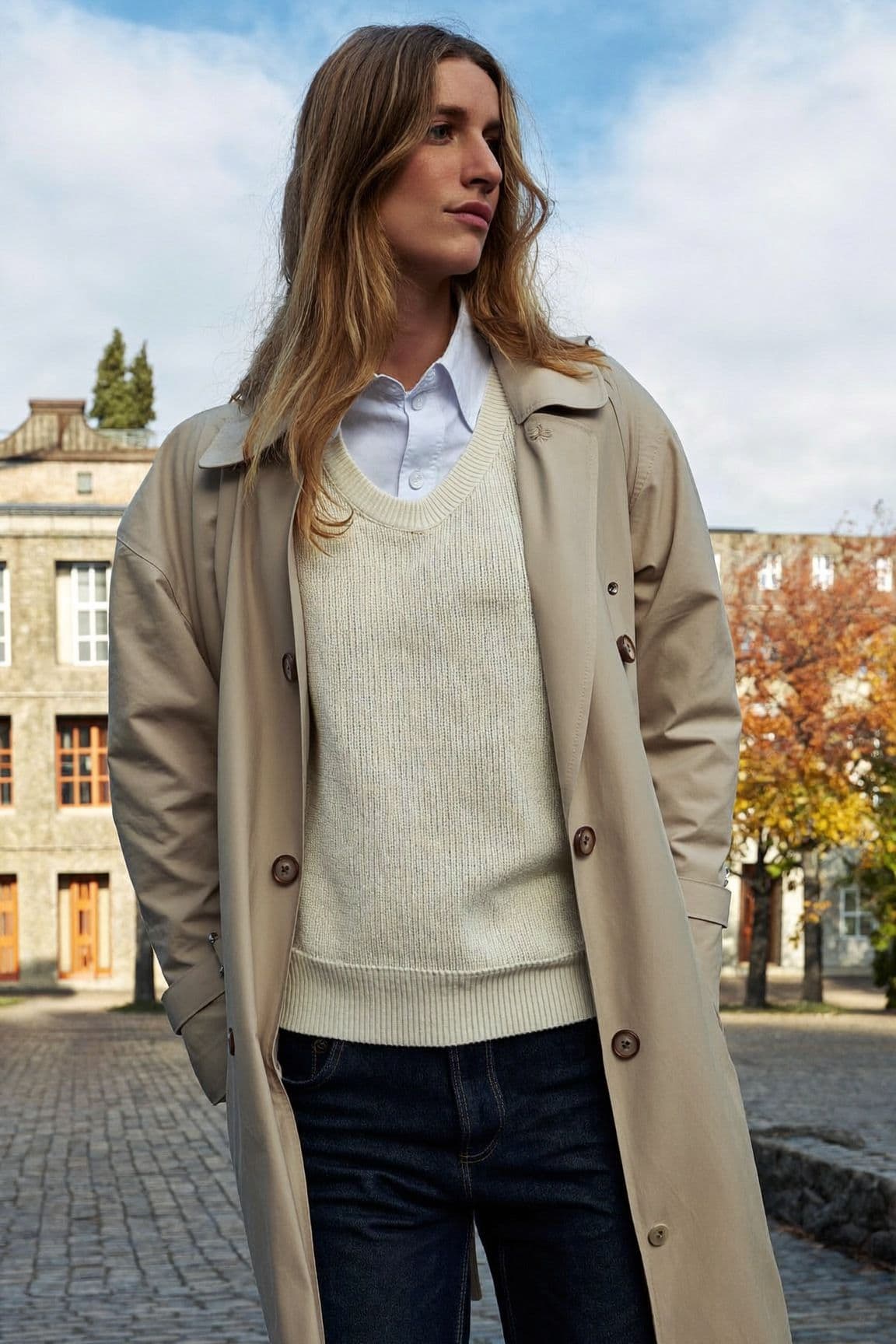
Prada's fall show made this the whole point: models walked out in full, considered outfits and then removed pieces layer by layer, turning getting dressed (and undressed) into the story itself. The idea underneath it is simple and relatable — your outfit doesn't have to be one fixed thing. It can shift as your day does.
What "Strategic Layering" Actually Looks Like
Strategic layering is different from just throwing a jacket over a T-shirt. It's about building an outfit from pieces that are each designed to stand on their own and to work in combination — a fitted base layer, a mid layer with its own shape (think a vest, a cropped knit, or a structured shirt), and an outer layer that isn't just there for warmth but changes the silhouette entirely.
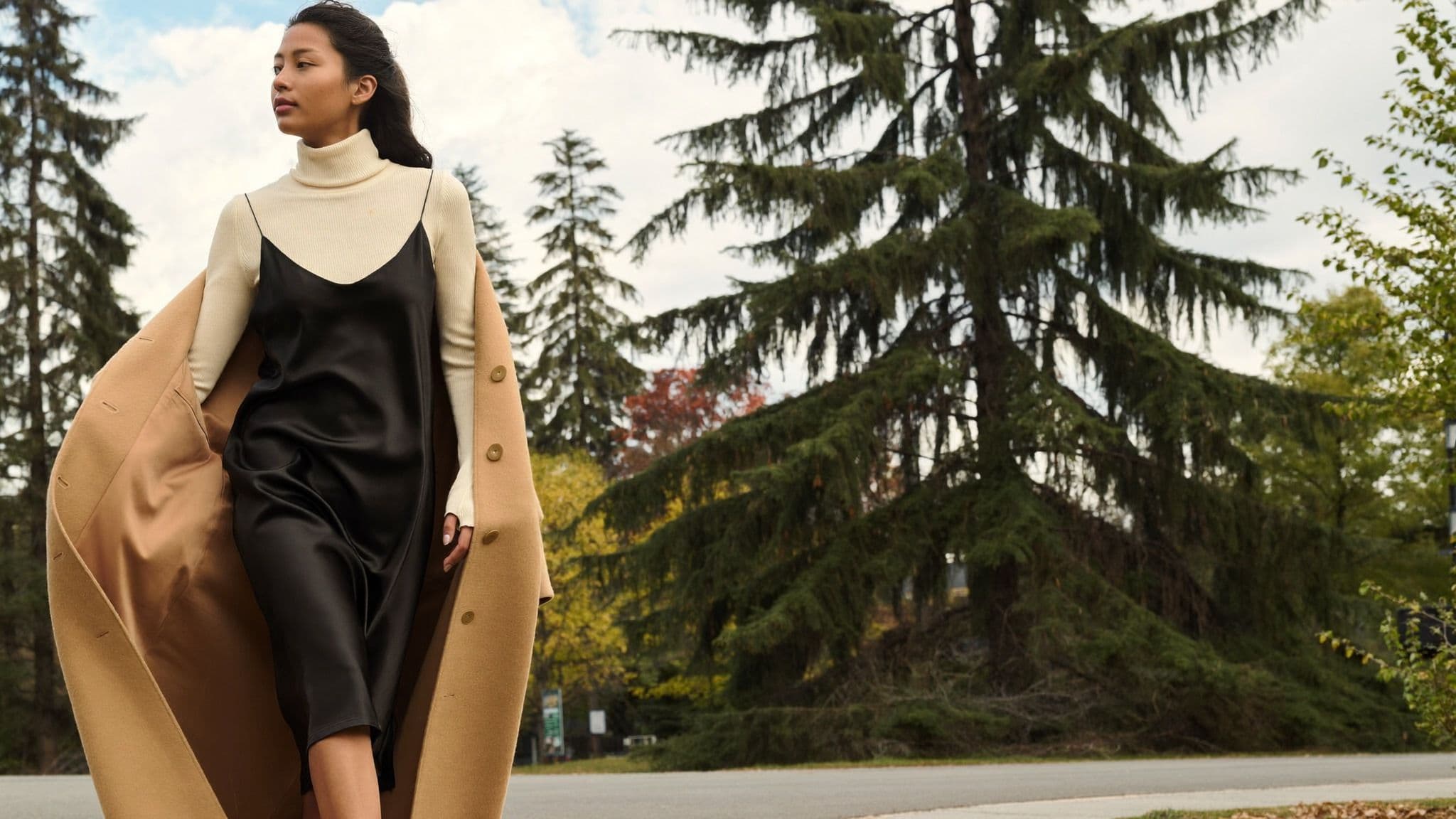
A few ways it's showing up right now: tank tops or fitted tees worn under blazers or unbuttoned button-downs, left visible rather than hidden; knit vests layered over long-sleeve shirts, adding shape without adding bulk; slip dresses or slip skirts worn over turtlenecks or long sleeves, a combination that's having a real moment this season; and oversized outer layers, like a duster coat or an unstructured blazer, worn open over more fitted pieces underneath.
The common thread is contrast: fitted against loose, structured against soft, so each layer still reads as its own piece instead of disappearing into a bulky whole.
The One Thing That Makes or Breaks a Layered Look
Here's the catch with layering: it's the trend most likely to go wrong from fit alone, not styling. A base layer that's cut too tight will bunch and ride up under a second piece. A mid layer sized too generously adds bulk exactly where the outer layer needs room to fall cleanly. And an outer layer bought in "your usual size" without accounting for what's underneath it can end up straining at the shoulders or swallowing your frame entirely.
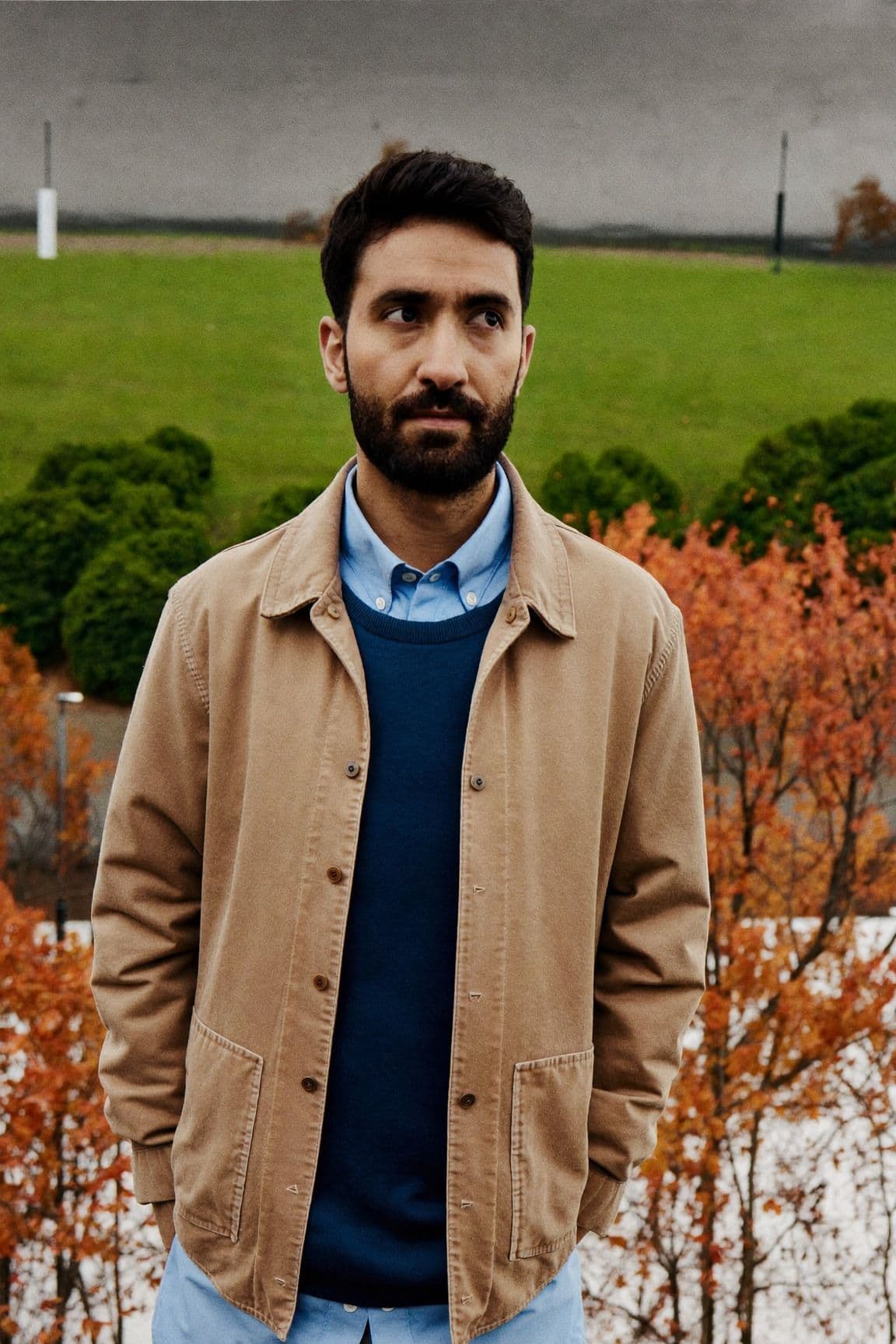
None of that is really about picking the "right" pieces — it's about knowing how each individual item actually fits your body before you commit to stacking three of them together. That's a fit problem, not a style problem, and it's worth checking before you buy rather than after you've already layered up at home with the tags still on.
How to Build a Layered Outfit That Actually Works
Start with your base layer's actual fit, not its size label. Sizing varies enough between brands that "your size" in one base layer can run tight or loose in another, and a base layer is the one piece every other layer depends on.
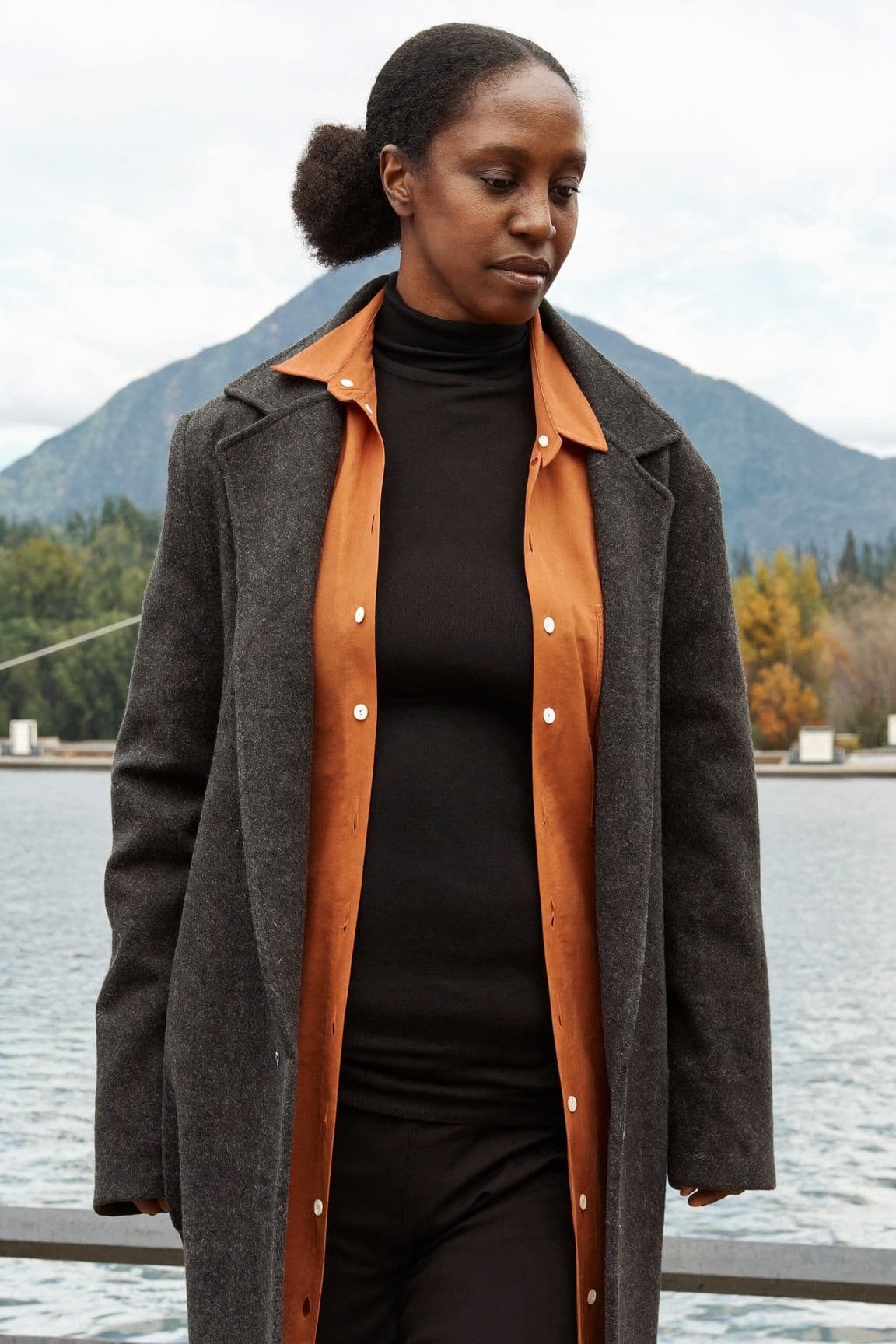
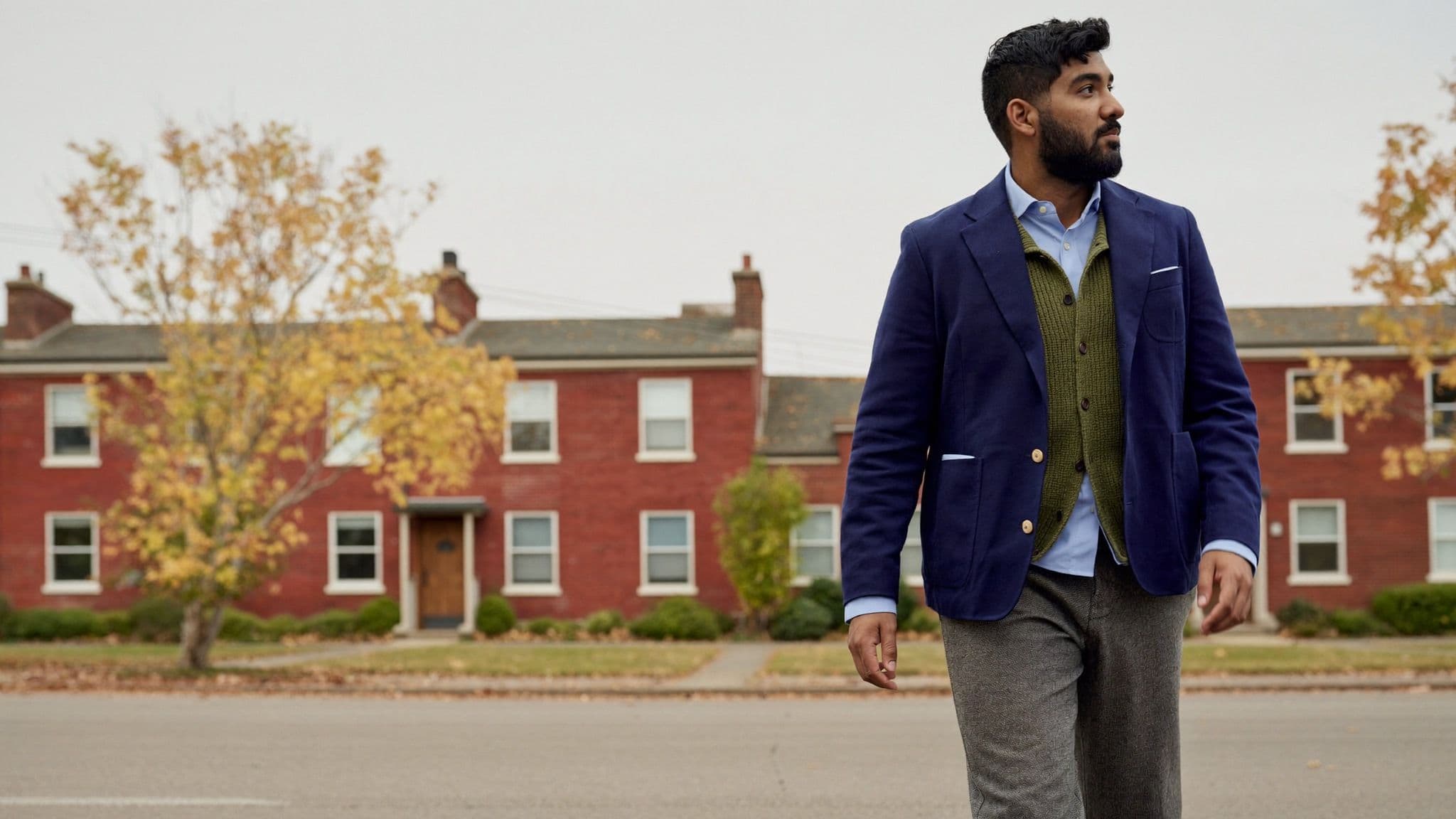
Size your mid layer to the silhouette you want, not just comfort. If you want a fitted, structured look, size down slightly on a knit vest or cropped jacket. If you're going for the oversized-over-fitted contrast, size up deliberately rather than by accident.
Leave room in your outer layer for what's underneath. An outer coat or blazer that fits perfectly on its own might feel completely different once there are two more layers under it, so it's worth checking the shoulders and sleeve length with your base and mid layers already on if you can.
Fewer, better-fitting layers beat more, bulkier ones. Two pieces that actually fit will always look more intentional than four that don't.
Find My Size — free for 7 days.
Frequently asked questions
How many layers is too many for a layered outfit?
There's no fixed number, the test is whether each layer is still visible and doing something, rather than disappearing into a shapeless stack. Three well-chosen layers, a base, a mid, and an outer piece, is usually the sweet spot. Beyond that, it gets harder to keep the silhouette from feeling bulky.
What fabrics layer best without adding bulk?
Thinner, closer-fitting knits and lightweight cottons work well as base and mid layers because they don't compete for space under an outer piece. Save your bulkiest textures, like chunky knits or heavy shearling, for whichever single layer is meant to be the statement, not more than one at a time.