Fashion
What Size Gloves Should I Get? How to Measure Your Hand for Winter Gloves (and Buy Them as a Gift)
Find your glove size with one tape measurement, read men's, women's and numeric glove charts, and know how leather, knit and ski gloves should fit. Plus how to pick a size when the gloves are a gift.
Published November 28, 2026
What size gloves should I get? The short answer
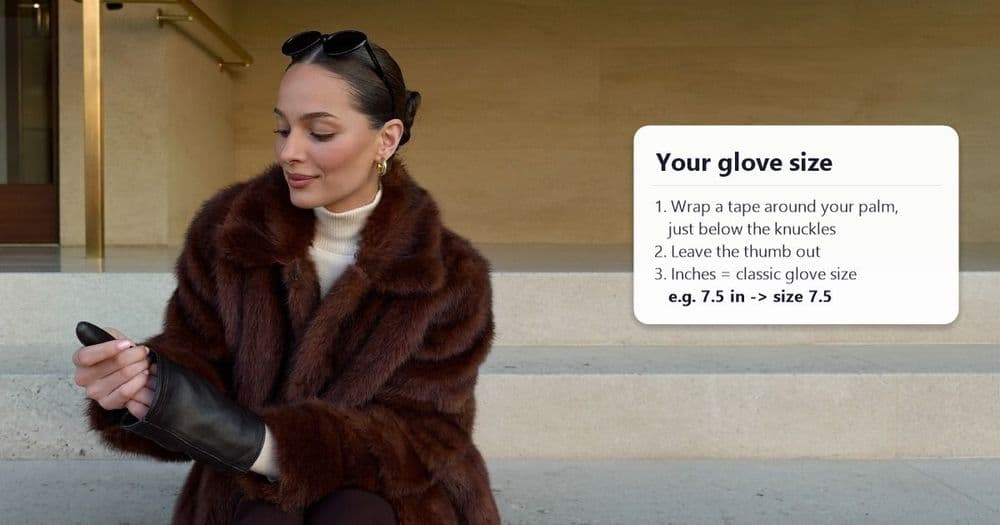
Your glove size comes from one number: the distance around your hand. Wrap a soft tape measure around your palm, just below the knuckles, with your thumb left out. Many classic leather glove makers use that measurement in inches as the size itself, so a hand that measures 7.5 inches wears a size 7.5. Letter sizes (S, M, L) cover a range of those measurements, and the ranges change from brand to brand and between men's and women's charts.
After that, the type of glove decides whether you buy that size, round down or leave a little room. Leather is bought snug. Thick linings and ski gloves need space. Knit gloves stretch to cover most hands.
Buying a coat or sweater to go with your gloves? Sign up free and get your clothing size from 2 photos.
How to measure your hand for gloves
Use a soft tape measure. If you only have a ruler, wrap a strip of paper or a piece of string around your hand, mark where it overlaps and measure the strip flat.
Hold your hand flat with the fingers together, and wrap the tape around the widest part of your palm, just below the knuckles. Leave the thumb out. Keep the tape snug against the skin without squeezing.
Measure your dominant hand, the one you write with, since it's usually the larger one. If the two hands differ, size for the bigger hand.
Some brands also ask for hand length, measured from the tip of your middle finger to the crease at the base of your palm. It matters most for ski gloves and for anyone with long or short fingers for their palm width, so note both numbers before you shop.
Write the numbers down in inches and centimetres. Glove charts use both, and converting at the checkout page is where mistakes creep in.
How to read a glove size chart
Numeric charts are the simplest. Dents, the British glove maker, tells you to measure your dominant hand in inches at its widest point, excluding the thumb, and round down to the nearest half or whole number. That number is your glove size. Its women's sizes run from about 6 to 8.5 and its men's from about 7.5 to 11.
Letter charts cover ranges, and men's and women's ranges don't line up. On Nike's running glove chart, for example, a women's medium fits a hand of about 7.5 to 8 inches, while a men's medium fits about 8 to 8.5 inches. A men's small starts at 7 inches. So a women's medium and a men's small can fit the same hand.
Ranges can even change inside one brand, since running, training and ski gloves are often cut on different charts. Read the chart on the product page you're buying from, not a general one.
When your measurement lands exactly between two letter sizes, the glove type decides it, which the next sections cover.
Leather gloves: buy them snug
Leather gloves soften and mould to your hand as you wear them, so they should feel close-fitting on day one. That's why numeric charts like Dents' tell you to round down rather than up.
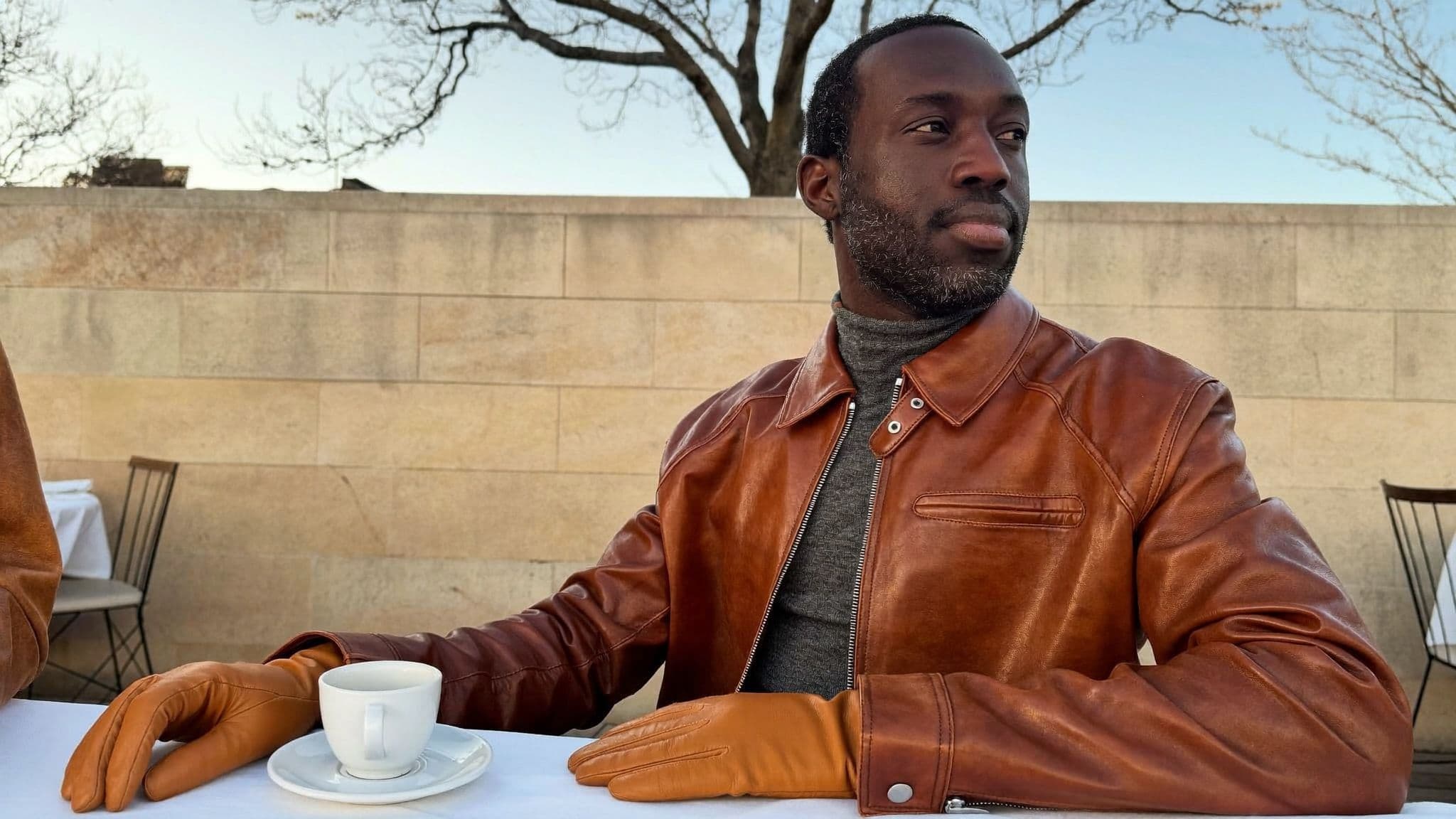
How much a glove gives depends on the leather. Thin, soft leathers such as deerskin and lambskin relax more with wear than stiffer cowhide, so if you're between sizes in cowhide, the closer match to your measurement is the safer pick.
To check the fit, look at your fingertips: they should reach the ends of the glove's fingers without pressing against them, and there shouldn't be loose leather wrinkling past them. Make a fist. The leather should pull a little across the knuckles without straining at the seams. The cuff should cover your wrist bone so no skin shows when you reach forward.
Lined or unlined: how the lining changes your size
A lining takes up space inside the glove. A lined glove in your usual size will feel closer than an unlined glove in the same size, and a thick fleece or wool lining takes up more room than thin silk or cashmere.
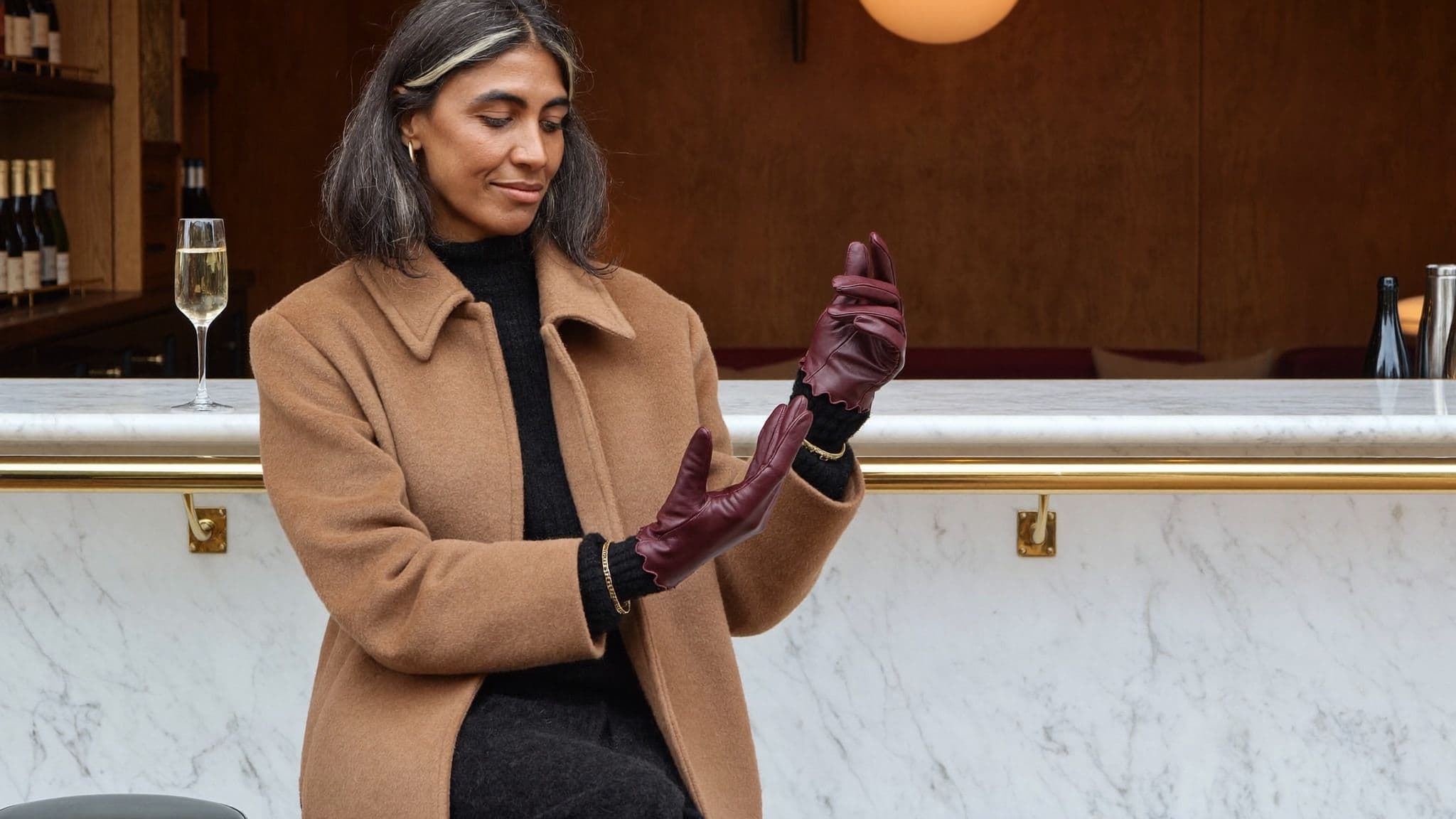
Unlined and silk-lined leather can be bought at your exact size or rounded down, since the fit is meant to be close. With a thick lining, if your measurement sits between two sizes, the larger one is usually the comfortable choice. A glove that's too tight squeezes the lining flat, and warmth comes from that trapped air.
Knit and touchscreen gloves: the forgiving option
Wool, cashmere and stretch-knit gloves give in every direction, which is why many are sold in one size or in doubled sizes like S/M and M/L. If you sit at the edge of a range, the knit will usually cover it.

Check two things: the ribbed cuff should be long enough to tuck under your coat sleeve, and on touchscreen gloves the conductive fingertip patches only work if the fingers aren't too long for you. Extra length at the tips means your phone taps miss.
Ski gloves and mittens: leave a little room
Insulated gloves keep you warm by trapping air, so they need space around your fingers. Salomon's advice is to choose a size that lets your fingers move freely without being packed together, and to take the larger size when you're between two, as long as you don't give up too much grip.
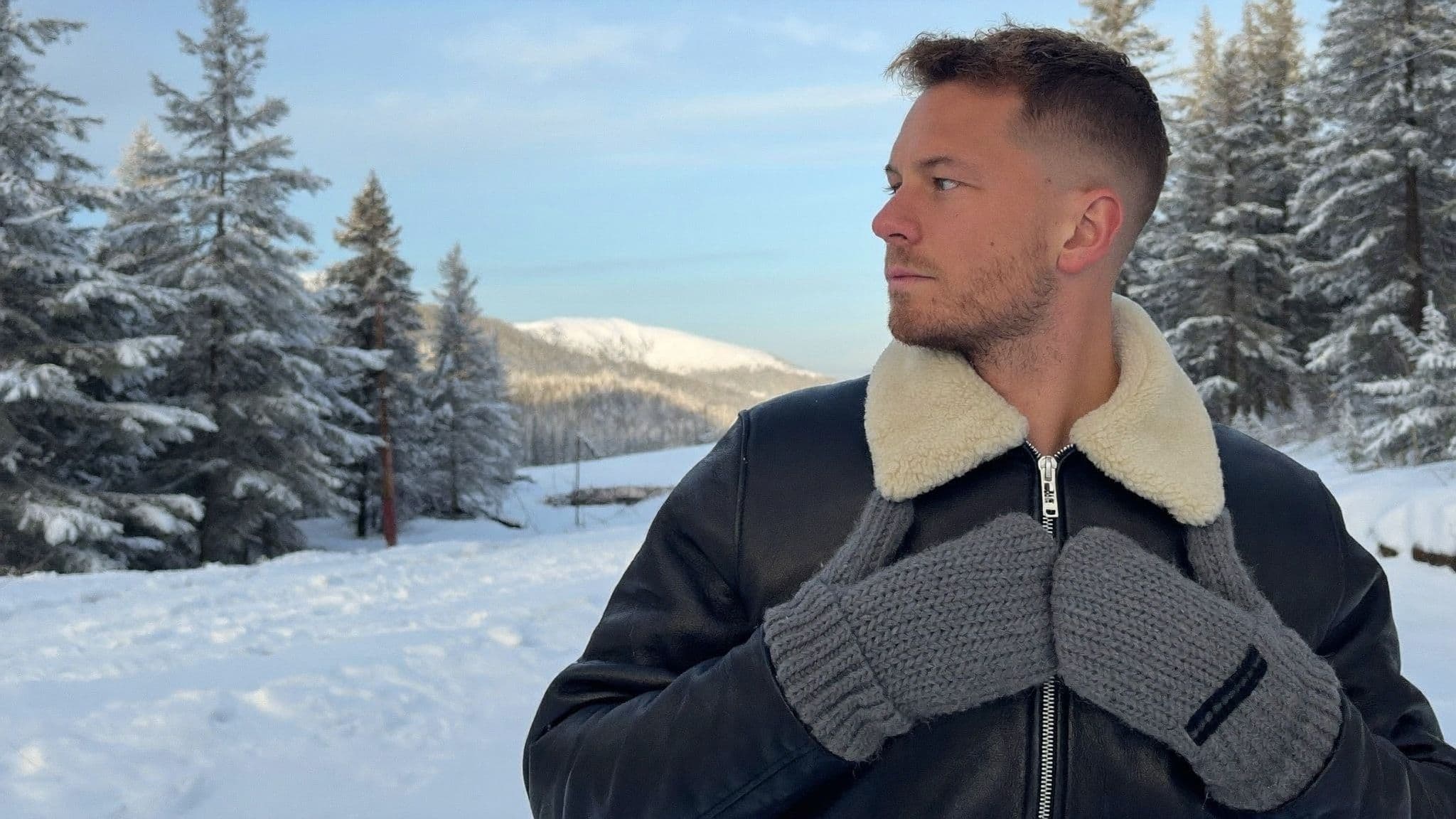
Mittens are more forgiving on size because there are no individual fingers to match to your hand. Whichever you choose, the cuff should overlap your jacket sleeve so snow can't get in at the wrist.
How to buy gloves as a gift when you don't know their size
Start with a pair they already wear. Check the label inside the cuff for a size, and note the brand, because the same letter can mean a different hand size elsewhere.
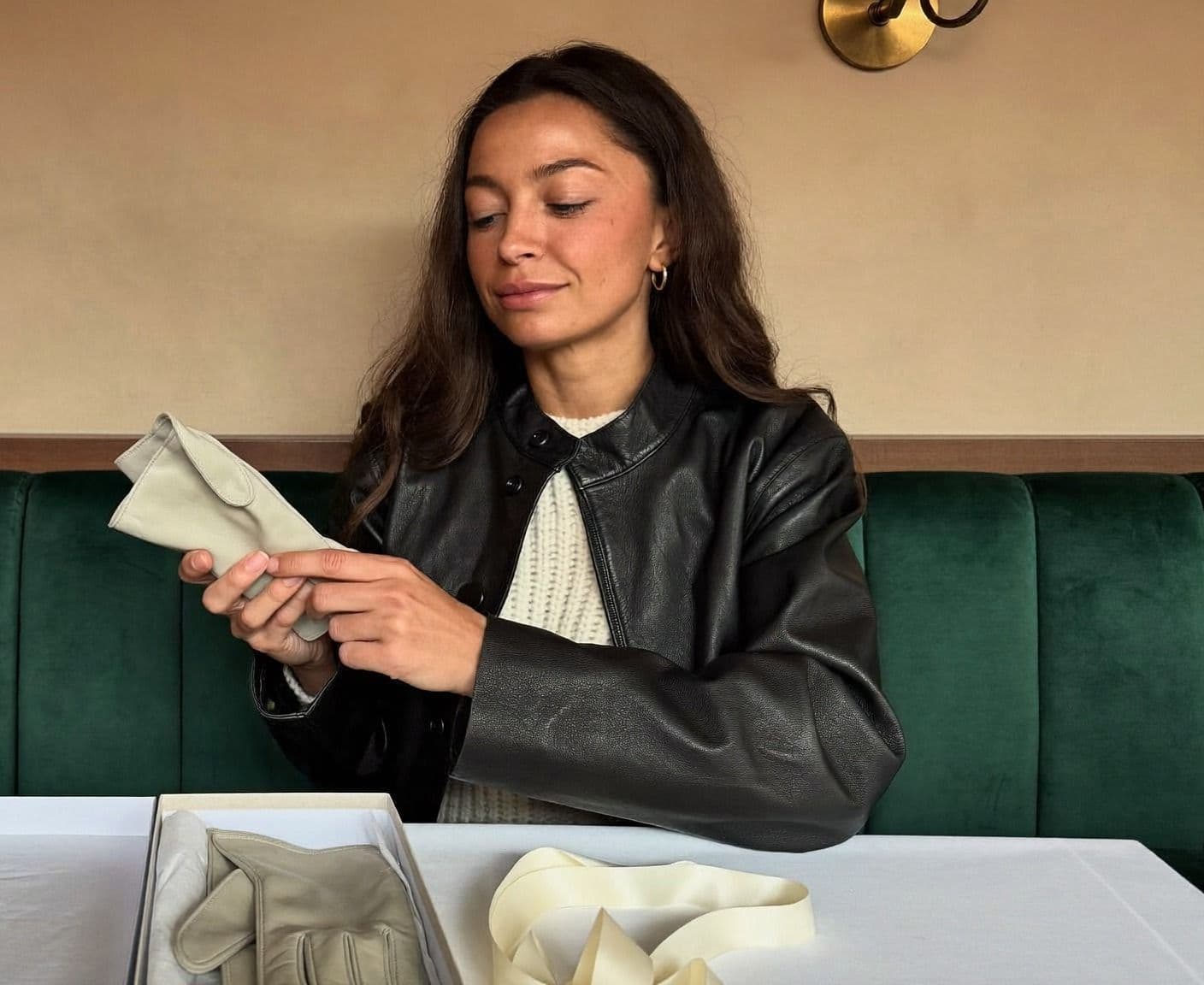
If there's no label, lay one of their gloves flat and measure straight across the palm just below the fingers, then double it. That gives you a rough circumference to compare with a chart. It's an estimate, so for leather, lean toward the smaller of two sizes.
When you can't check anything, pick a forgiving style. Knit gloves, stretch gloves and mittens fit a wide range of hands. Leather in an exact numeric size is the riskiest gift to guess.
Ask for a gift receipt and check the return window before you buy. Many stores extend returns for holiday purchases, but the dates vary. For more on sizing presents, read how to buy clothes as a gift when you don't know their size, and if gloves come with a new coat, see what size winter coat to get.
How Shaku helps with the rest of your winter wardrobe
Shaku doesn't measure your hands, so a glove size is still a job for the tape measure. Where it helps is everything you wear with those gloves: the coat whose sleeves should meet the cuff, the knit underneath, the gift you're buying alongside.
Find the pieces you saw, across stores
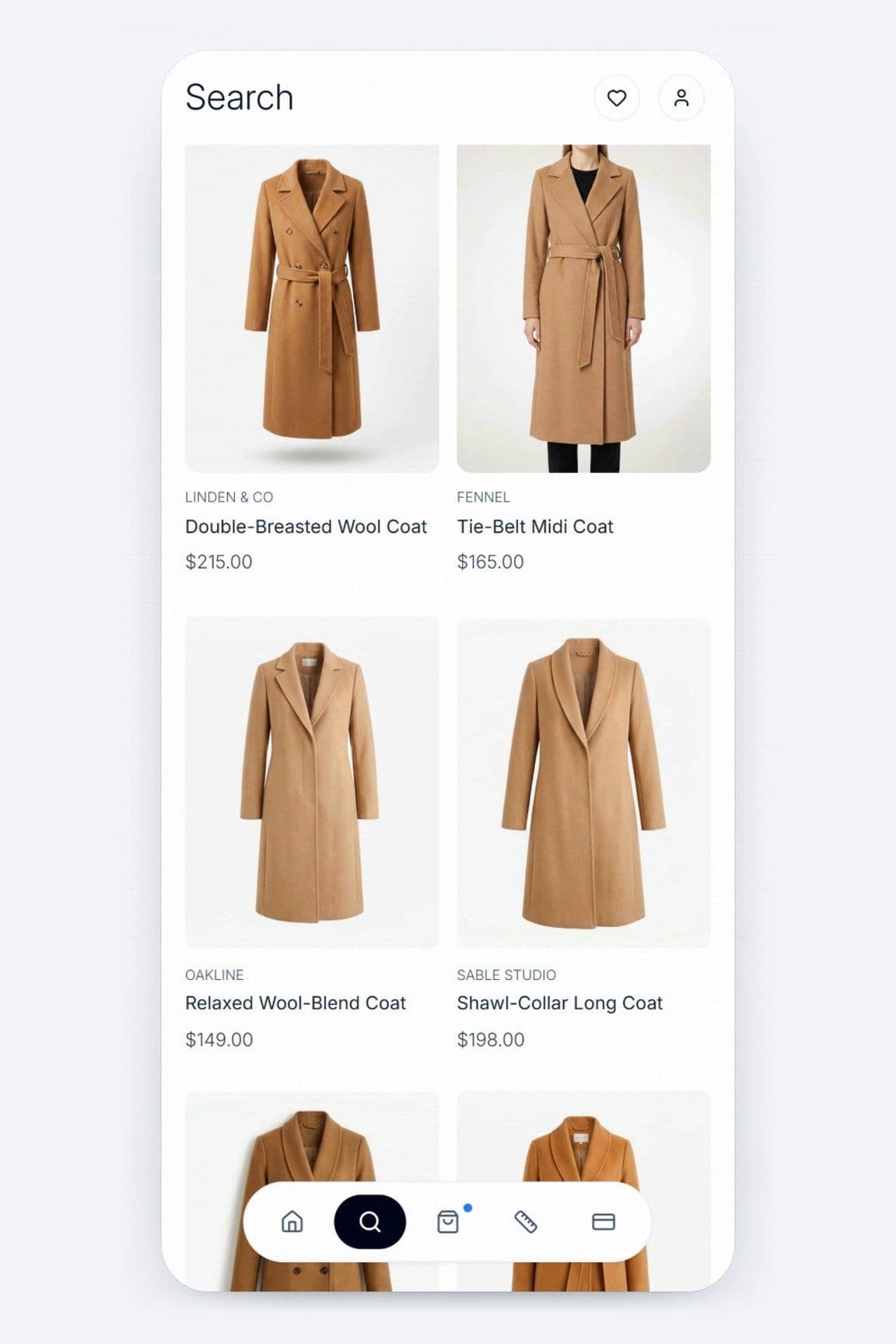
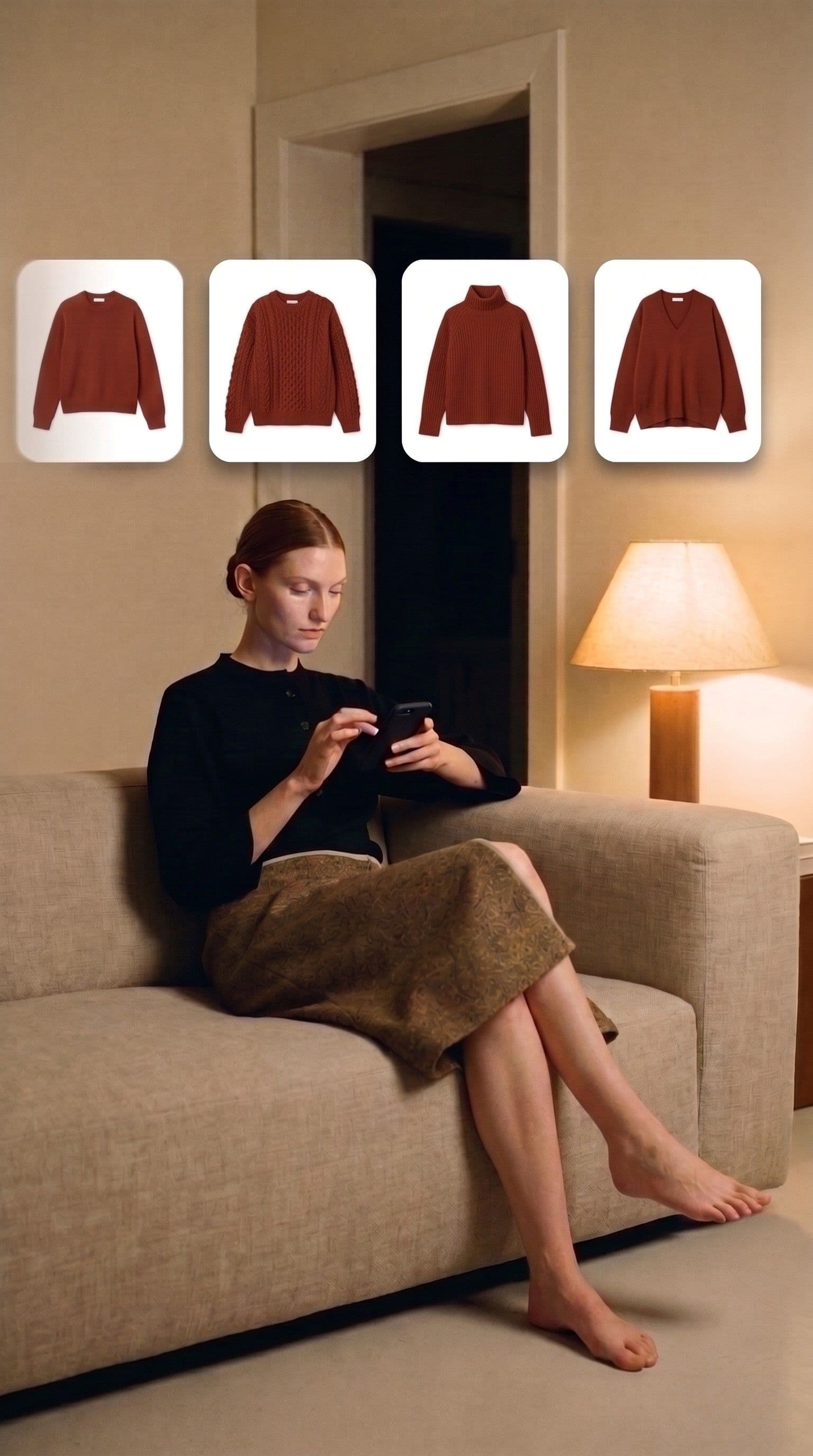
Saw a coat and glove pairing you liked? Search by text or with a photo, and Shaku shows similar pieces from different stores side by side, so you can compare styles and size ranges before you choose.
Get your measurements from two photos
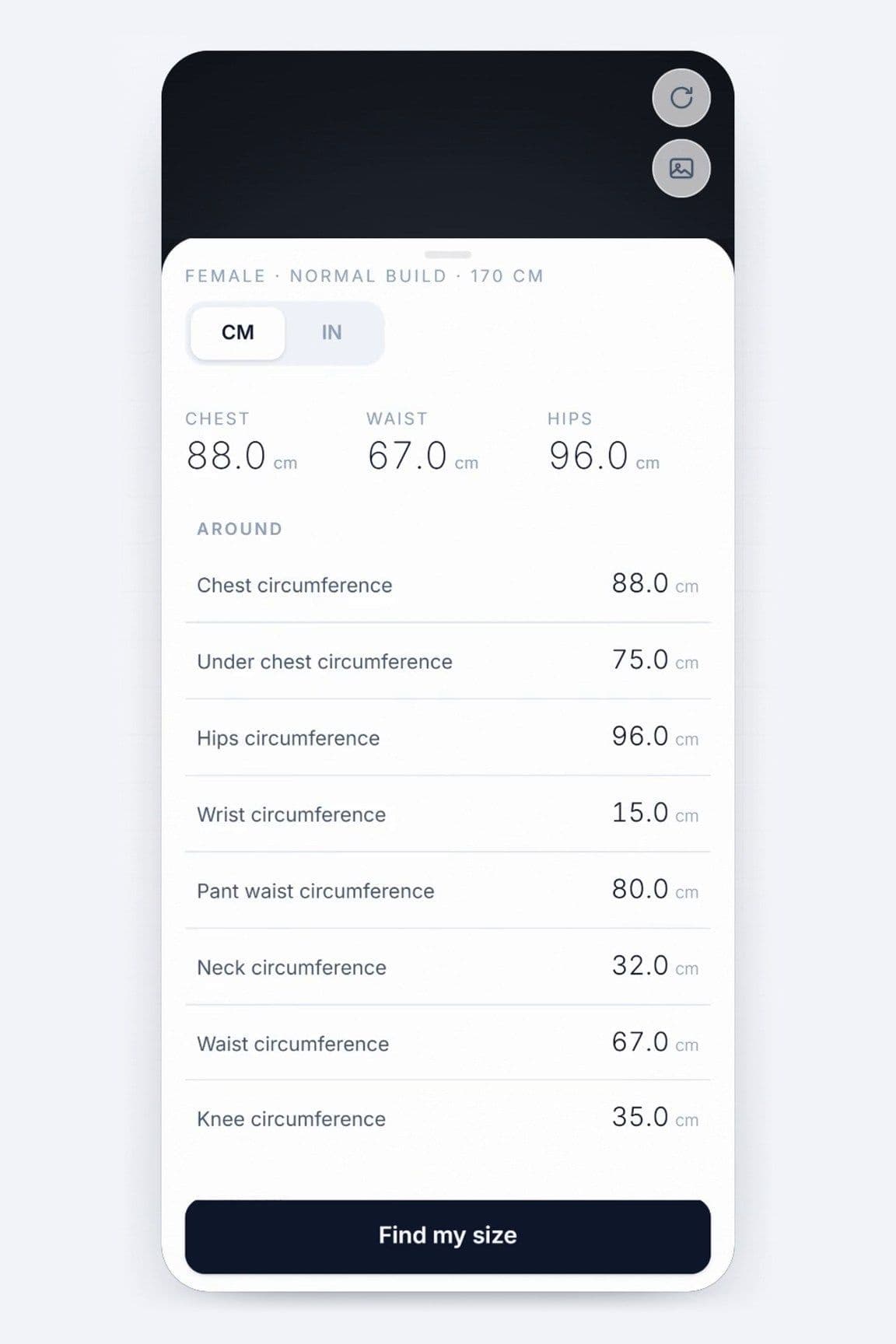
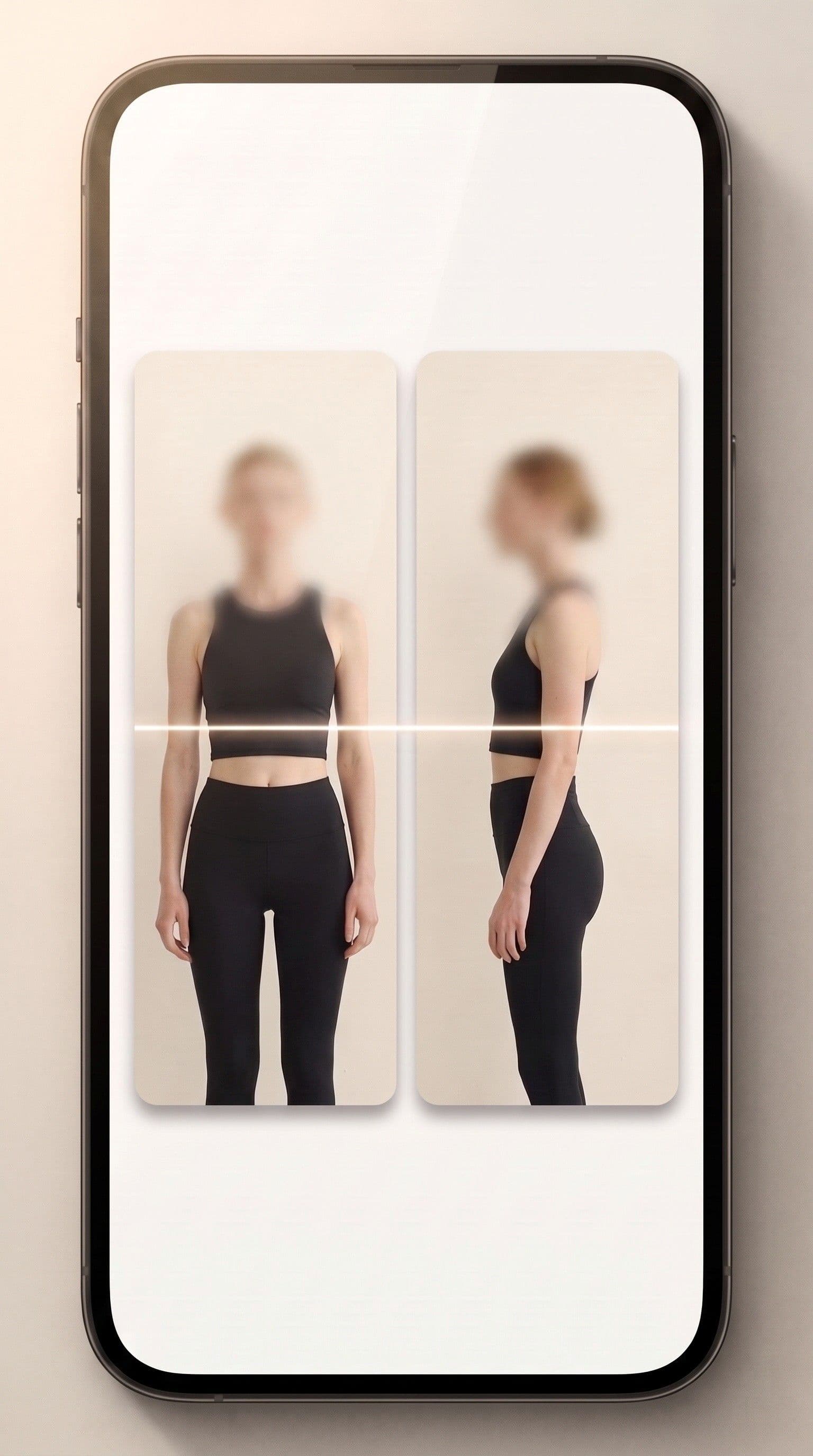
Take one front and one side photo and Shaku gives you 60+ body measurements, including chest, shoulders and wrist. Those help you pick a coat that closes comfortably over a knit, with sleeves that meet your gloves.
See your size on the product's own chart
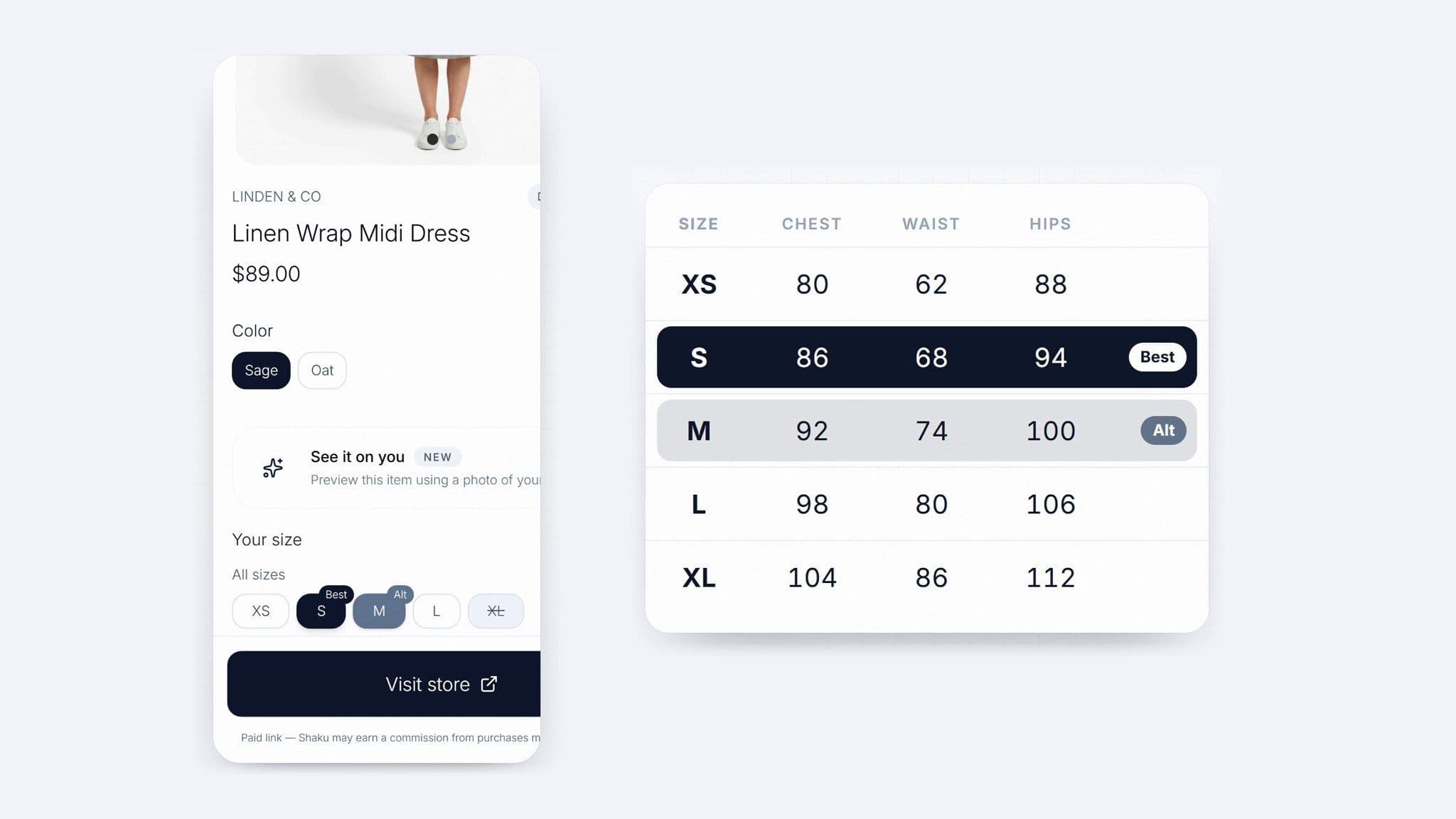
Shaku matches your measurements to that product's own size chart and suggests your best size match, plus an alternative if you sit between two. That's useful when the coat or sweater is from a brand you haven't bought before.

Measure your hand once for gloves, then let your photos handle the rest. Find My Size, free for 7 days.
Frequently asked questions
Is my glove size the same as my hand measurement?
For many classic leather glove makers, yes. Measure around your dominant hand just below the knuckles, thumb excluded, in inches, and round down to the nearest half size: a 7.5-inch hand wears a size 7.5. Letter sizes cover ranges that vary by brand, so check the chart on the product page.
Should gloves be tight or loose?
Leather gloves should be snug, since they soften and mould with wear. Your fingertips should reach the ends without pressing. Thickly lined and insulated ski gloves need a little room so the insulation can trap warm air, and knit gloves stretch to fit.